Astoria – An Eclectic Port City for a Longer Stay on the Oregon Coast
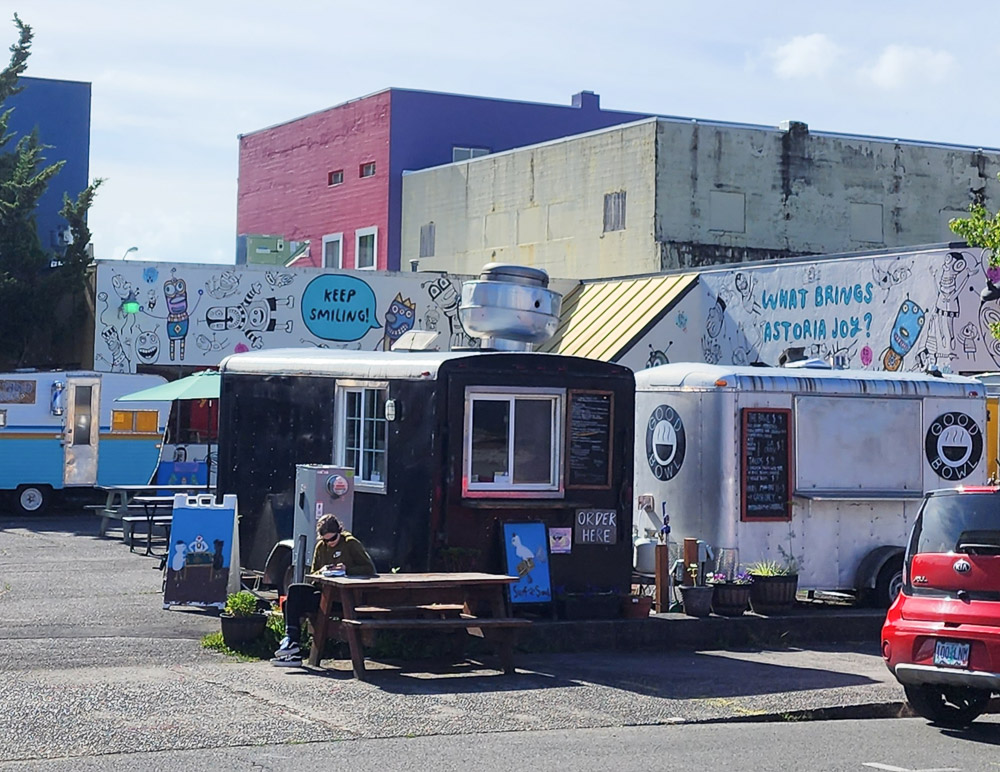
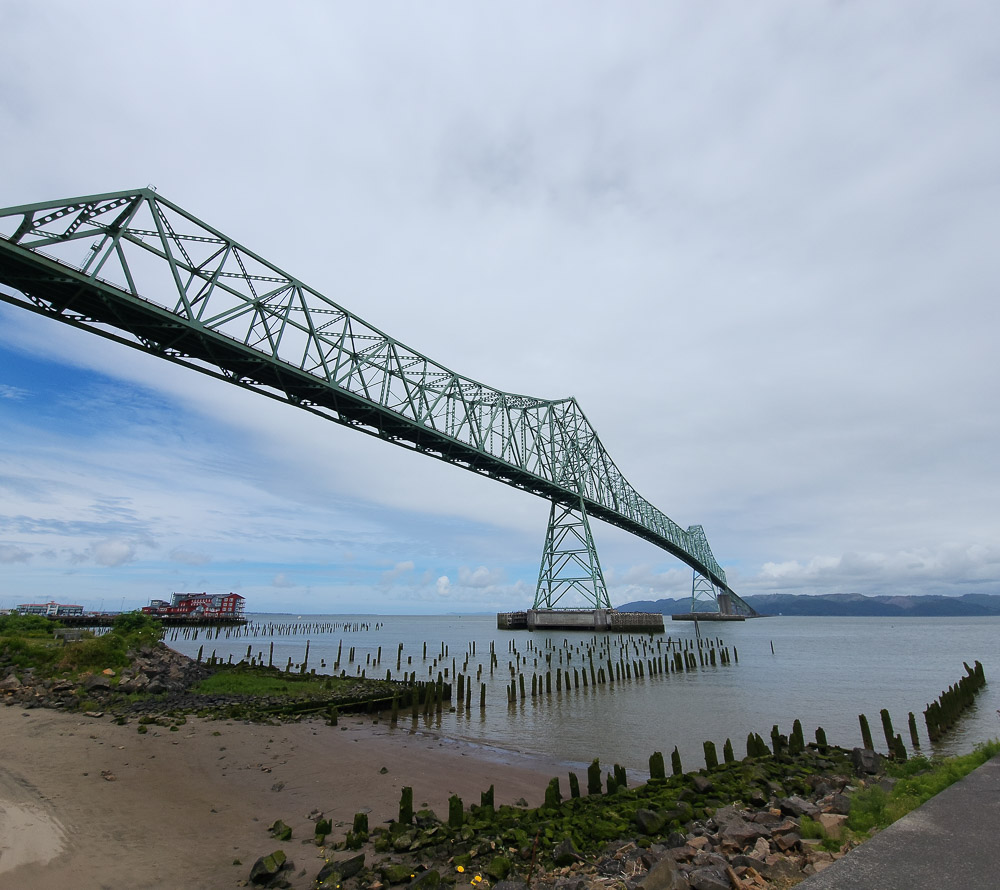
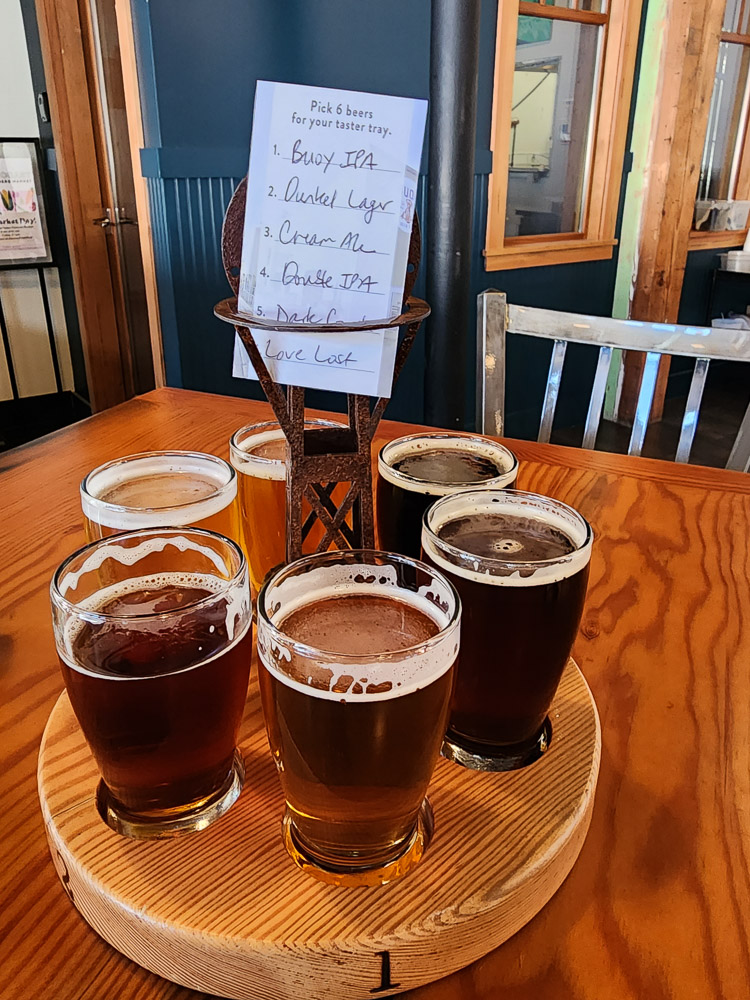
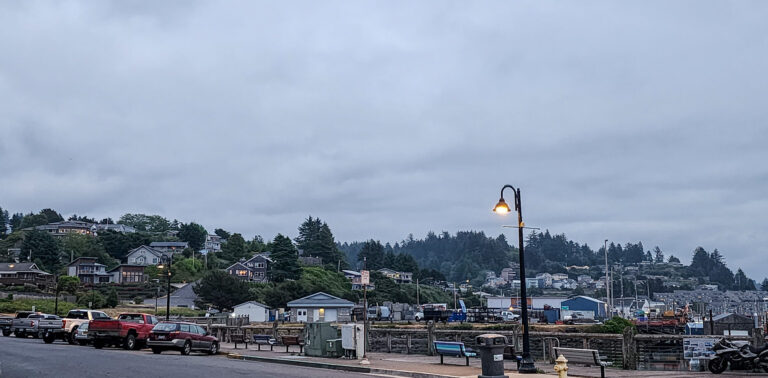
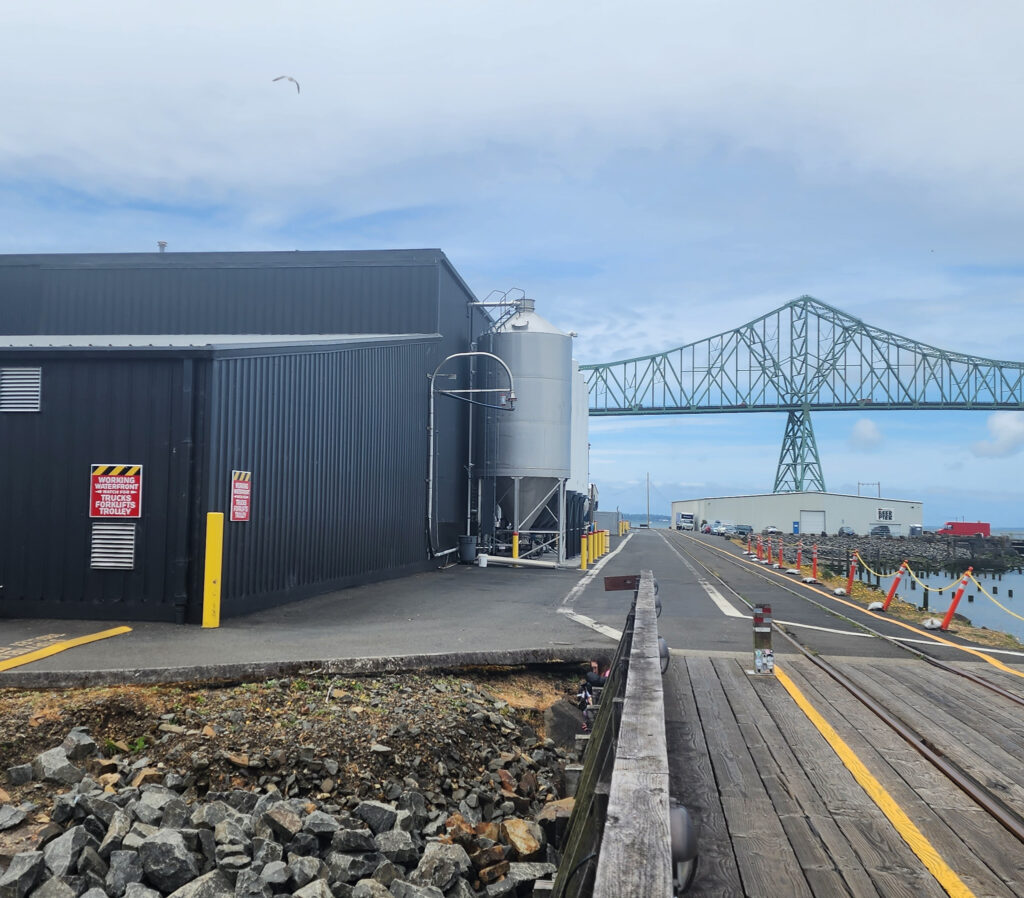
In Astoria, it’s as much about being at the mouth of the Columbia River as the Pacific coast. Astoria is a port city. Cargo ships and other river traffic are part of daily life here, not a backdrop staged for visitors. Astoria has that lush green-ness and weather that makes you want to curl up by a fire with a good book. True to the Pacific Northwest, great coffee and craft brewing are abundant, as well as quirky shops downtown. It’s cute, in an unmanicured kind of way—a grounded place. Astoria has chill residents, a rich history, and a lot of learning opportunities.
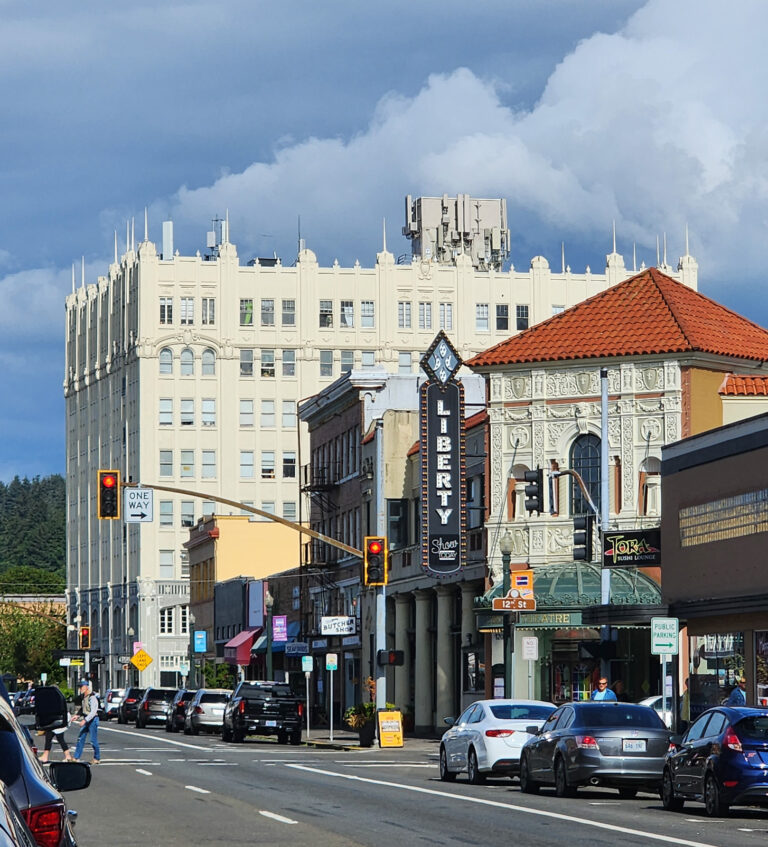
Tourism definitely exists, but it didn’t seem to have taken everything over. As we’ve recommended for most of this region, avoid July and August for a more authentic experience of life in a working small city in the coastal Pacific Northwest. We found that spring and early summer is a sweet spot. Some businesses still have reduced hours before their busy season, but if our goal is to experience life like a local, we don’t mind. In mid-June, there was one medium-sized cruise ship in port with three motorcoaches awaiting its passengers, but it wasn’t obnoxious.
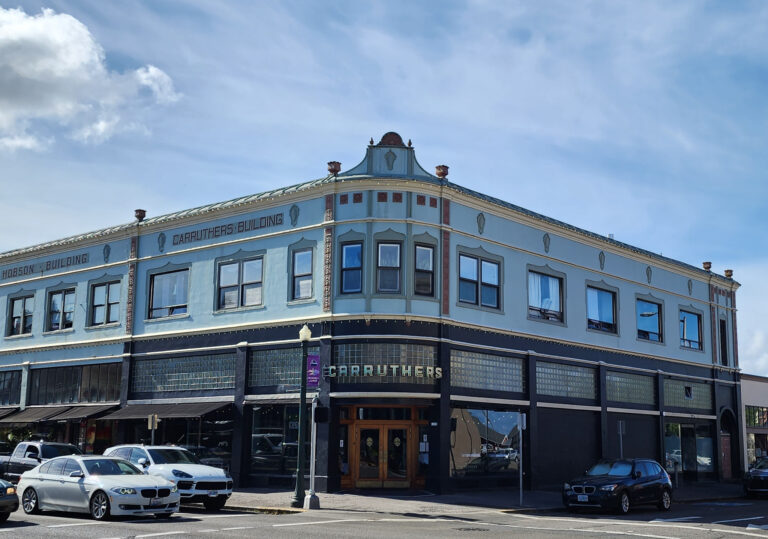
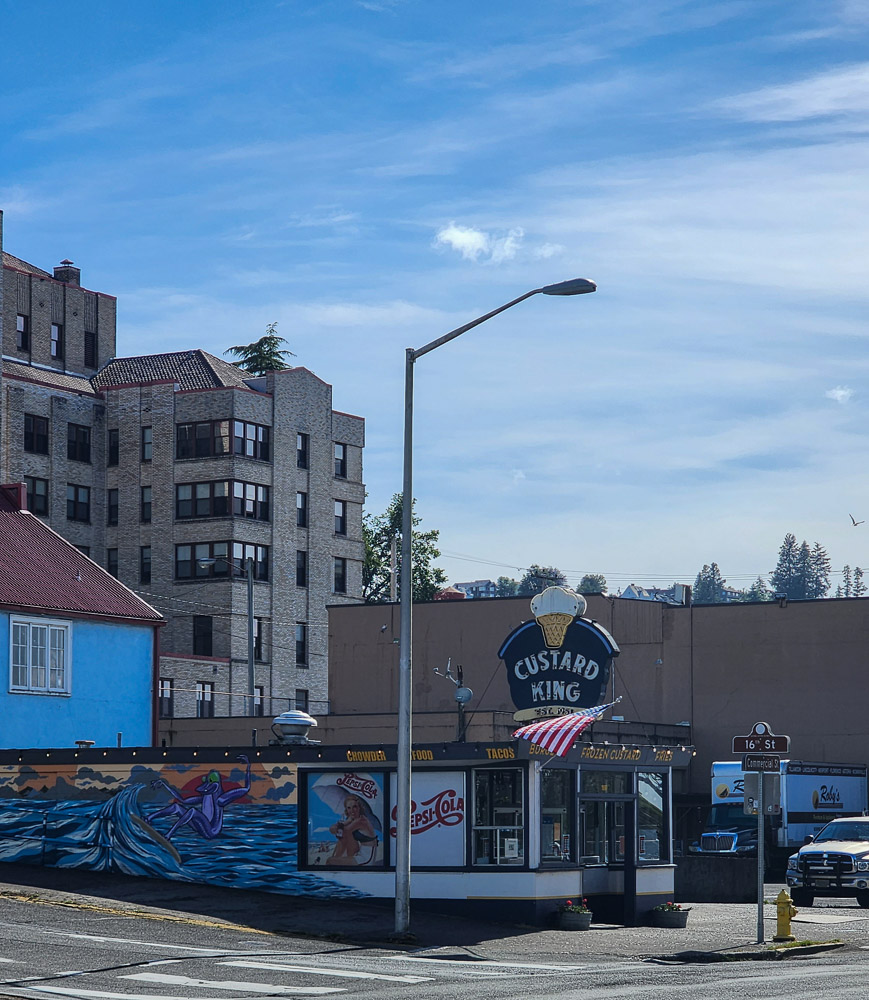
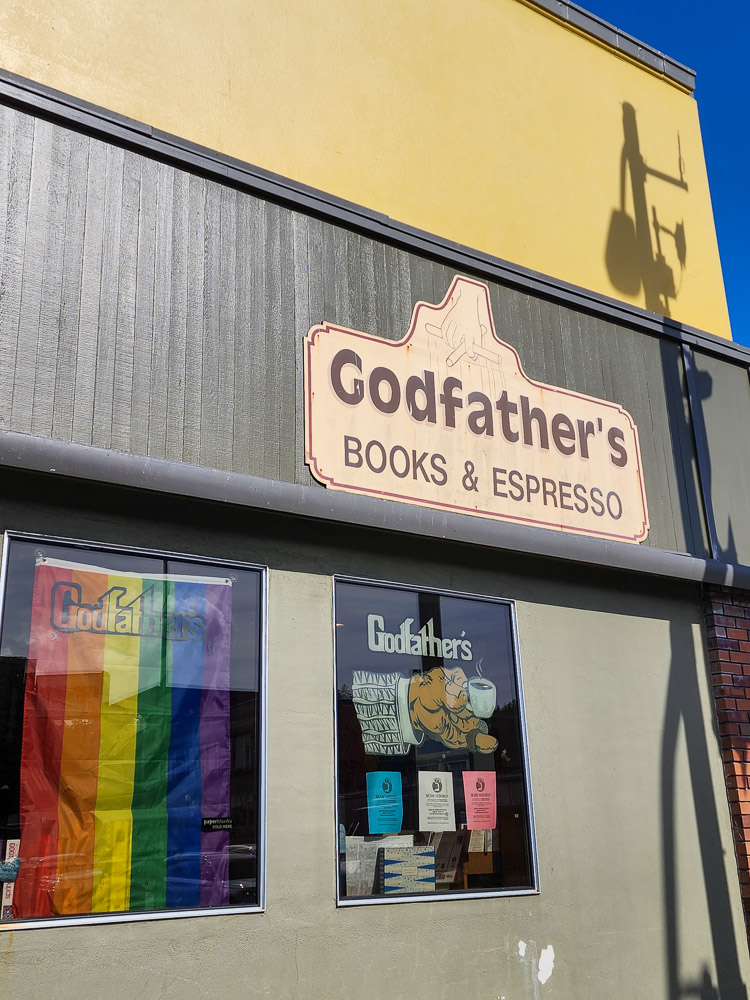
Can we say Amen to a real downtown? Among boutiques and bookstores are a barber shop and a real butcher. The lovely, art deco Liberty Theatre hosts theater daycamps for kids in the summer. We saw evidence of support for families in this community.

History Abounds in Astoria
Astoria’s history isn’t abstract—it’s surprisingly accessible, and fantastic for students of U.S. History (heads up, parents of middle-schoolers and older teens). Lewis & Clark National Historical Park spans several sites in and around the city, telling the story of the Corps of Discovery’s final winter on the Pacific Coast. Fort Clatsop, the most visited site, recreates the encampment where the expedition spent the winter of 1805–1806, waiting out relentless rain while interacting with the Clatsop and Chinook peoples native there. This is one of the places where white explorers and the natives had a friendly relationship.

What works especially well for families is how hands-on and place-based the experience is. Rangers offer talks and demonstrations, like how to tan hide, “make salt,” or fire a muzzle loader. The trails connecting the sites make the history feel grounded in the landscape. The Park adds context to history that’s sometimes glossed over—westward expansion, Indigenous displacement, and the tough realities of exploration.
The park sites are places you can return to gradually throughout your stay. One visit for the exhibits, another for a program or special event, another to hike the miles of trails or go for a canoe paddle and let the story sink in.
Maritime Culture
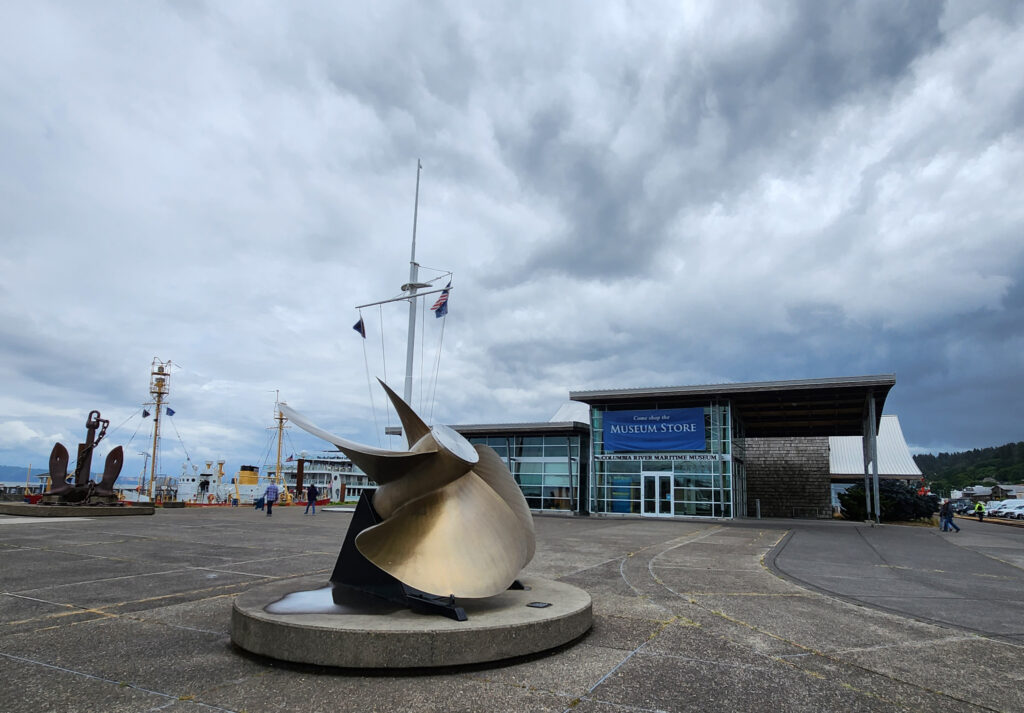
The Columbia Maritime Museum exceeded our expectations. The exhibits are very well done. If you and your family aren’t familiar with the work of bar pilots, you’ll come away with a new appreciation of what it takes to get ships through one of the most dangerous water crossings in the world. The museum also typically has at least one featured exhibit on the indigenous people of the region, as well as a 3D theater showing excellent short-form documentaries — just the right length not to lose the attention of younger viewers. As of this writing, a family membership to the Museum is $75 annually, and includes a rotation of reciprocal membership admissions (at least 2 per month) in the region, like the Oregon Zoo in Portland and the Oregon Coast Aquarium in Newport. For a family spending at least a few weeks in Oregon, it’s a good value.
Astoria Walkability and Affordability
While there aren’t bike lanes everywhere, and we only saw a few locals biking, there is a large Safeway supermarket accessible from the paved Riverwalk trail. For the housing up the hillside, walking may be an easier and safer option, especially on rainy days. A rental listing on Zillow eight blocks up from downtown had a Bike Score of 33/100.
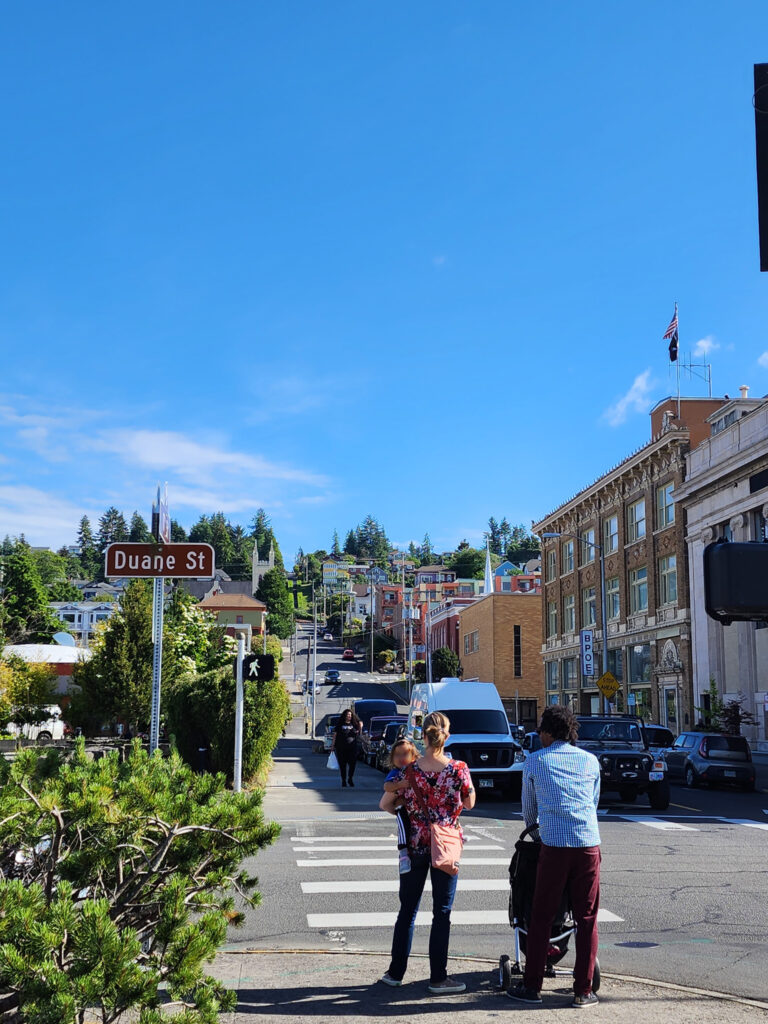
Speaking of rain, be aware that winter is known for being very rainy in Astoria. (Search “Winter in Astoria” on Reddit and have some laughs. “It rains sideways!”) With the right gear, maybe that doesn’t faze you, especially if you’re coming from a place where it snows sideways in the winter. You won’t find icy sidewalks on the Oregon Coast.
As compared to the nearby towns on the north Oregon Coast, Astoria is a bit more affordable for mid-term rentals. As of this writing, a Zillow search for fully furnished monthly rental homes with 3 bedrooms and 2 baths showed several available for $2,500-$3,000 per month. This is likely related to the City’s restrictions of short-term rentals in residential neighborhoods.
Things to Do In or Near Astoria:
- go fishing at Coffenbury Lake, a quiet, inland lake stocked with a variety of fish
- send the kids to a workshop at the Liberty Theatre while the adults try the local breweries
- Visit the Flavel House museum to see what a big Victorian mansion from the 1880s is like. Then watch The Goonies and spot it featured in the movie
- Do the same with Free Willy and Kindergarten Cop
- Have a Stars Hollow-like experience. Volunteer to set up an event with the Astoria Downtown Historic District Association
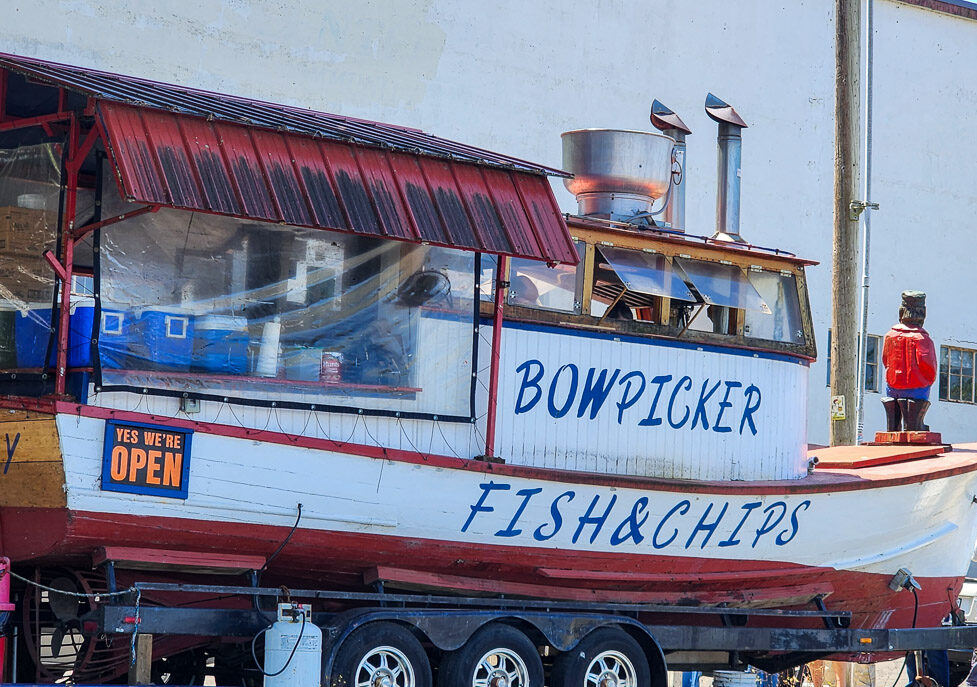
- Order fish and chips from a boat on a trailer converted to a “food truck” at the Bowpicker
- Fly a balsa wood glider from the top of the Astoria Column
- Do some hiking in the Tillamook State Forest
- If you have an intellectual teen who likes the Pacific Northwest, do a campus visit at Reed College