Living in the Roaring Fork Valley of Colorado
A Haven for Outdoors Enthusiasts
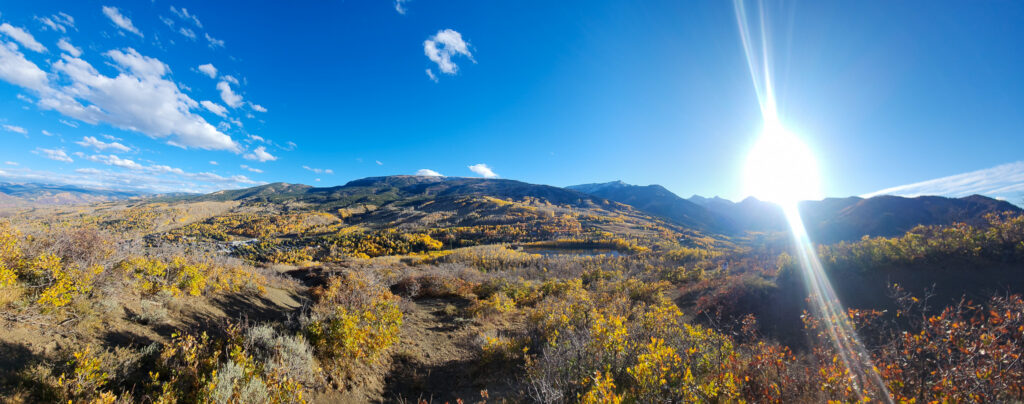
The Roaring Fork Valley is named for the Roaring Fork River, which originates near Independence Pass and runs to Glenwood Springs, where it joins the Colorado River. While most people have heard of Aspen and its legendary skiing and celebrity scene, they may not be as familiar with the rest of the Valley. When my daughter and I first visited, we agreed it’s “like Colorado and Utah had a baby.” Driving out of Glenwood with massive Mt. Sopris ahead of us, red rock cliffs and sagebrush on one side, rolling farms and mountains of evergreens on the other, we were awestruck.
Each community in the Valley—Aspen, Snowmass Village, Woody Creek, Old Snowmass, Basalt, Willits (technically part of Basalt), El Jebel, Carbondale, and Glenwood Springs—is wonderfully different.
Aspen
It may have its reputation as the “billionaire’s playground,” but there are people of all stripes in the Valley, even in Aspen. You will definitely find fashionistas in fur, but also Patagonia-wearing hikers with dirt still on their boots, and people who are happy doing both.
That mix of polish and mountain grit makes more sense when you understand the history of the area. This valley was home to the indigenous Ute people, who moved through the region for hunting and trade. In the 1880s and early 1890s, Aspen was one of the most productive silver districts in the country, home to thousands of miners, boarding houses, saloons, and Victorian buildings that still line the streets in town. When silver prices collapsed in 1893, the population plummeted.
You can still see that history at places like the Ashcroft Ghost Town up Castle Creek, the mine shafts still visible on Smuggler Mountain trails, or Independence Ghost Town on the way to Independence Pass. Hardy people survived here in isolation, and the town has reinvented itself multiple times. In the mid-20th century, skiing took hold, and the development of Aspen Mountain transformed Aspen and the entire valley since.
Beginning in the late 1940s and into the 1960s, a wave of cultural and intellectual institutions were founded, including the Aspen Institute, the Aspen Music Festival and School, and the Aspen Center for Physics. These organizations and others add another layer of interest to the Valley. Today, it’s an interesting mix of people in Aspen. Texans who come for the summer months to escape the heat. Longtime locals who bought before prices skyrocketed. Seasonal workers rotating through resort jobs. Retirees who split time between multiple homes. Entrepreneurs who can work from anywhere. And, of course, tourists from all over the world.
Snowmass Village
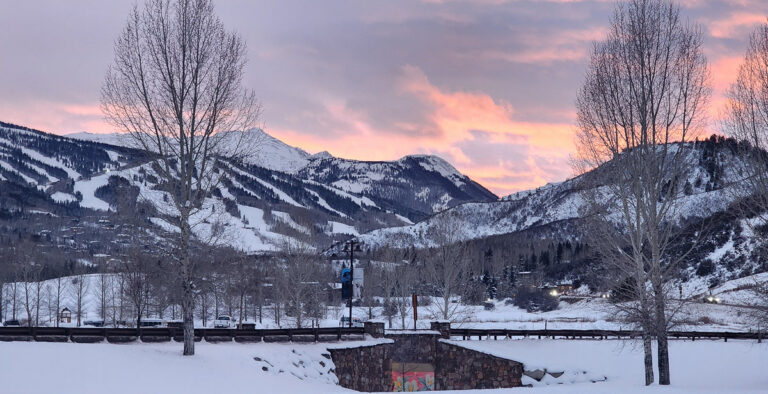
The only Roaring Fork Valley town away from Highway 82, Snowmass Village sits in its own small valley around Brush Creek. With ridges on two sides and Mt. Daly on the far end, most of the town is nicely protected from wind and an idyllic setting any month of the year. Of the four unique mountains that make up Aspen Snowmass resort, Snowmass is by far the largest and most popular. That’s felt most during the peak weeks of Christmas, President’s Day, and Labor Day weekend, when the big JAS concert series takes place at Town Park. In most of the summer and fall, the approximately 3,500 town residents enjoy relatively quiet surroundings and exceptional hiking and mountain biking outside their door.
Most of Snowmass Village is less luxe than Aspen. You’ll still see incredible homes along the ski trails, and a couple high-end hotels at Base Village, but beyond ski in/ski out and the exclusive Snowmass Club, there are neighborhoods of condos, townhomes, and single-family homes, and a shopping center from the 1970s. Snowmass Village doesn’t have a Main Street like the other towns of the Valley. You might think it’s Base Village (where the gondola originates), but you’re more likely to find the local residents having a meal at Snowmass Mall, a low-key commercial center further up Brush Creek.
There is a mid-sized Clark’s Market grocery, a post office, and one salon. Most other things mean driving or taking the bus into Aspen or downvalley, or using mail order services for pharmacy and other needs. For our family, no longer making a weekly run to Costco and coming home with all kinds of stuff has made living in Snowmass Village feel a little simpler—but with a world-class resort a half mile away.
Trivia: How many of Colorado’s Fourteeners (peaks over 14,000 feet) are in the Roaring Fork Valley watershed? Read on for the answer.
Author’s Photo. Capitol Creek, with Capitol Peak in the background. September 2025.
Basalt
Basalt feels polished, but practical. The historic downtown along Midland Avenue still has that small-town Western feel, and there’s definitely a river culture, though you don’t have to be an avid fly fisherman to appreciate the beauty of the Roaring Fork and Fryingpan rivers. In the summer, residents make the drive upriver to the Ruedi Reservoir, one of the few accessible lakes in the region and a popular spot for fishing and paddleboarding.
A couple miles down the highway from Old Town Basalt, the Willits neighborhood brings more restaurants, medical offices, and newer, suburban-style housing. You may feel like a yuppie walking to Whole Foods, but with Crown Mountain Park (which is huge), extensive trail networks, and great shopping also within walking distance, Willits is hard to beat.
Basalt also sits at a geographic hinge point in the valley. You’re roughly 30 minutes’ drive to Aspen, 15 to Carbondale, and 30 to Glenwood Springs, which makes it strategically central. For families juggling ski practices upvalley with mid-and downvalley conveniences and housing, fewer tourists, and milder weather (more on that below), it’s no surprise Basalt is popular.
Carbondale
Carbondale is eclectic. It leans artistic and outdoorsy at the same time—ranching roots, community gardens, and mural walls. On Main Street you’re just as likely to see a Subaru with a bike rack as a pickup with a farm trailer. Nearer to the highway, there are suburban-style strip malls with larger stores and a Qdoba. The latter is the exception, though. Most of the valley has eschewed chain stores and restaurants. This is a place where independent small businesses are the norm.
Hay fields and cattle ranches show up quickly outside town, and while there are subdivisions, there’s less of the master-planned development you see in Willits. Housing is still expensive by national standards, but generally a little less than Basalt, and you’ll find more year-round residents than there are upvalley. You trade proximity to Aspen and Snowmass for a little more space and a town that feels less curated. There is traffic, though. Being a commuter is common among residents of Carbondale.

Carbondale has a lot of events, many of them family-friendly, that seem to be aimed more toward residents of the Valley than for tourists. First Fridays, for example, are like a community block party with live music, activities booths, and extended shopping hours. Most months have a theme: Pride in June, Día de los Muertos in November, and a wellness focus in spring.
Glenwood Springs
The anchor that ties the Roaring Fork Valley to I-70 and the rest of Colorado, Glenwood Springs is more commercial. It looks like a lot of America, if it weren’t for the towering canyon cliffs on all sides. There’s a Target, Lowes, and auto dealerships. Glenwood is more socioeconomically mixed than the rest of the Valley and has a Hispanic population of about 30% of its residents.

The main tourist attraction in Glenwood Springs is its famous hot springs pools. If you aren’t familiar, if you’re picturing a quaint, natural spot up in the mountains, know that these are large, busy public pools near the highway which are fed by geothermal water. They require an admission ticket to enter. It’s still a unique and enjoyable experience, if your expectations are in line. The waterfall in the new adults-only area dampens the noise from the lower pool and makes it nicely relaxing, if you’re going sans kids. Iron Mountain Hot Springs is a little more upscale. We have talked to locals who keep an annual membership at the pools and enjoy a soak every week, and on our visit we encountered local high school students hanging out, so it’s not just tourists there.
Glenwood Springs is also known for restaurants—surprisingly good ones, for a city this size. The downtown is very walkable and makes for a nice afternoon and evening of boutique shopping and dining. We once made the trip there “because we had some shopping to do” in West Glenwood and to hit up Barnes and Noble, but really, it was for lamb curry tacos and margaritas at Slope and Hatch downtown.
Climate of the Roaring Fork Valley
The climate is noticeably different in the downvalley towns than in Aspen or Snowmass. Anyone who has lived in the Rockies may read that and smack their head. But if you’re a former flatlander like we were, you may not realize how much difference 1,400 feet of elevation makes. Temperatures typically warm by roughly 3 to 5 degrees for every 1,000 feet you descend, and the valley widens in the middle, allowing for more sun exposure. Basalt and Carbondale can be 8 to 10 degrees warmer than Snowmass on the same day (but feel even warmer). It’s not unusual to have afternoons where people walk around without a coat downvalley in the winter. When it does snow, it tends to melt sooner, leaving the area dry and more like high desert—even though you’re only a 30–45-minute drive away from big mountain snow. In that regard, downvalley is kind of like Boulder and the western suburbs of Denver—warm, dry summers, and relatively mild winters—but the mountains are right there. In the Roaring Fork Valley, they’re in every direction.
The Valley gets cold at night year-round, but not quite as much as Summit County (Breckenridge, Silverthorne), where the high alpine basin pools cold air and the elevation is 1,000-1,400 feet higher. Aspen and Snowmass definitely get cold, but it’s not as much of the biting cold of the central mountains.
In the summer sun and daytime summer highs in the 80s-90 degrees Fahrenheit, most residents in the midvalley and downvalley want air conditioning, whereas many homes in Aspen and Snowmass don’t have it. Humidity is low, there are only a few days a year that get hot, and it doesn’t last long.
Sunshine on our Shoulders
Even Aspen and Snowmass Village have year-round sunshine. It’s not uncommon for the sun to peek through even on snowy days. To this Midwesterner, it’s glorious to soak in vitamin D in January. There just aren’t many overcast days, and the clear nights (and dark sky initiatives) make for beautifully starry skies year-round.
(If you caught the John Denver reference, you’ll probably enjoy the sanctuary garden dedicated to him, a former resident, along the river in Aspen.)
Air Quality and Smoke Reality
Temperature inversions can trap wildfire smoke in the Valley. The most recent wildfires in nearby Rio Blanco and Eagle Counties led to air quality ratings of “Poor” for several days of August 2025 in the entire Roaring Fork Valley. You literally could see and smell the smoke in the air. It’s not constant, but it’s a reality of the modern Western U.S. and worth acknowledging for anyone considering being here, especially if a family member has a condition which makes them sensitive to air quality.
Culture of the Roaring Fork Valley
Much of the culture here can be described as “chill.” Students address teachers by their first names. Your optometrist may drop an f-bomb a time or two in your visit and think nothing of it. The informality can feel jarring at first if you’re not used to it, but it’s not disrespectful.
Despite all the interesting things to do, the Valley seems pretty centered around skiing and snowboarding, and it’s just about every type of person into it. The hairstylist I went to at a salon in Snowmass Village said she chose that place to work (despite the commute from Glenwood) so she could get a few turns in before starting her workday. The principal’s newsletter from Aspen High School, which includes Snowmass Village, says “see you on the mountain this weekend!” The school mascot are the Skiers. The baseball players and dance team are the Aspen Skiers. Many residents of Basalt and Carbondale area are there for the mountain winter as well.
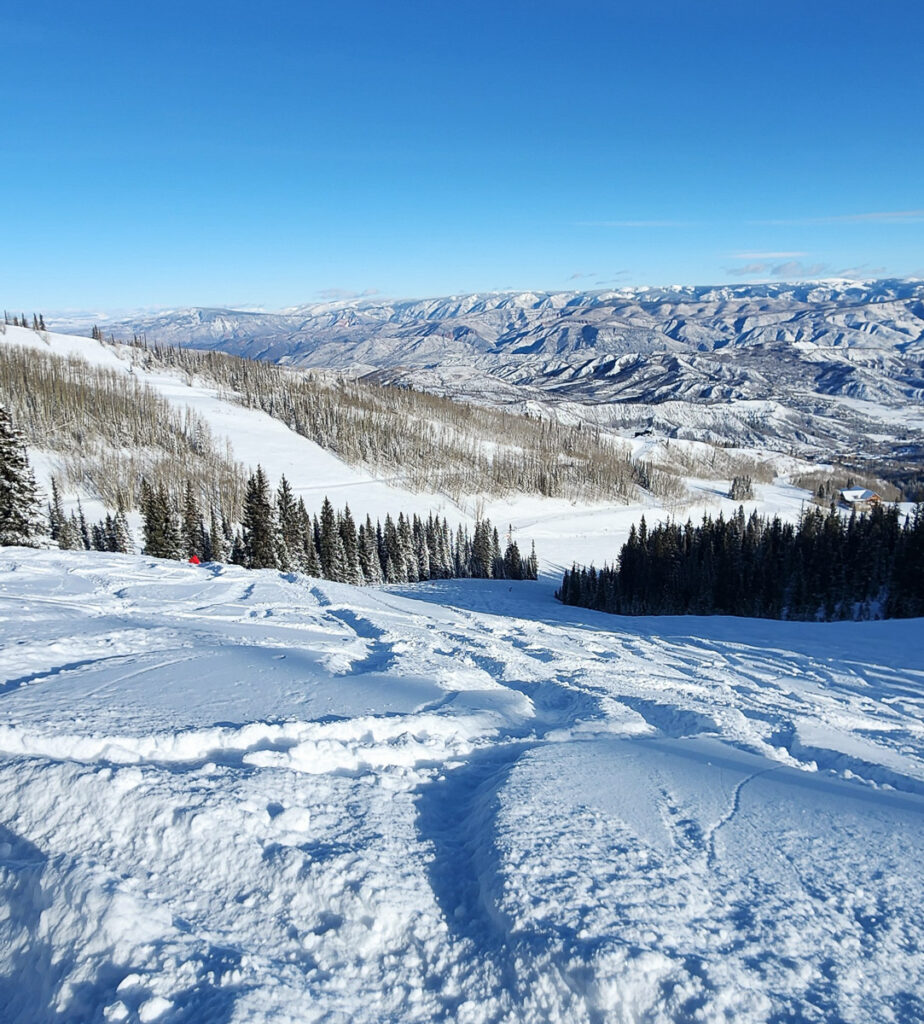
When there’s snow, or not enough of it, it’s a dominant topic in the Valley. It affects just about everything. I’ve had a conversation with just one person in the valley who did not ski or board or do much of anything outdoors and had no interest in it. He just likes living in Carbondale.
Like our experience in much of the western U.S., the Roaring Fork Valley depends on a hardworking population of Hispanic Americans keeping a lot of businesses staffed and running. I told a friend in Michigan that the grocery store announcements at the Kroger-affiliated City Market in Aspen were often just said in Spanish. She didn’t think I was serious. My kids and I have enjoyed sharpening our Spanish while spending time in the Valley.
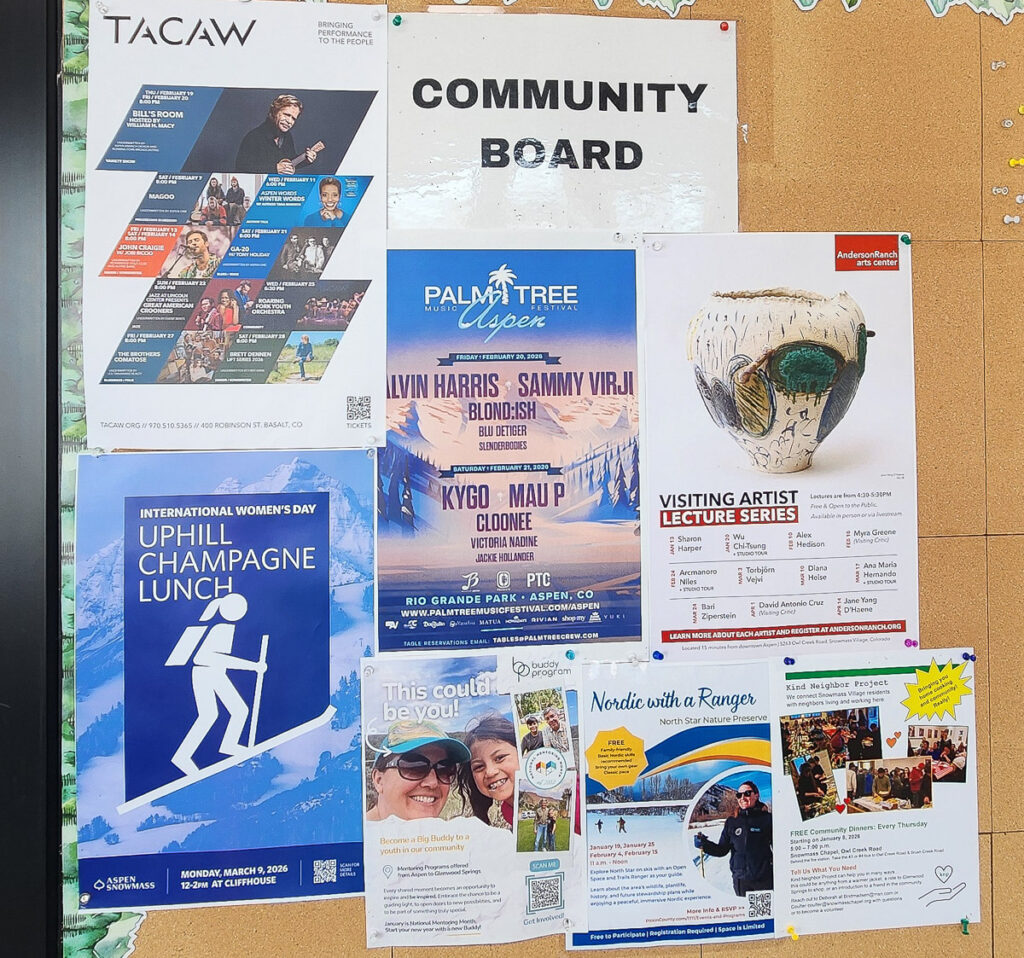
Throughout all the communities of the Valley, there are two common threads: people are generally friendly, and there is an arts culture. You will find galleries, public art, performing arts, literary arts, and festivals for all of the above, all year long.
Roaring Fork Lingo to Know
Directions are often given in “upvalley” (toward Aspen, up elevation) and “downvalley” (toward Glenwood Springs, down in elevation). The river and Highway 82 don’t run directly east or west, so this can make it clearer. You’ll also hear “midvalley,” which we understand to basically mean Basalt, El Jebel, and Carbondale.
The Western Slope is technically all the area down slope from the Continental Divide, where water begins to run toward the Pacific Ocean. If you’ve made the drive from Denver across I-70, the Western Slope is the area west of US-6 and Loveland Pass, geographically speaking. Colloquially, though, Summit County (Silverthorne, Breckenridge) and Vail aren’t associated with the Western Slope as much as it’s used to refer to Grand Junction, Montrose, Gunnison, Crested Butte, and the Roaring Fork Valley. If you’ve spent time in these places, you understand—the Western Slope is different. It’s more arid, more “big sky,” open valleys, and with fewer tourists than the towns closer to Denver. Colorado Public Radio did a story on “Where is the Western Slope?” in 2023.
The Elk Range is the sub-range of the Rocky Mountains that frame the south side of the Roaring Fork Valley. Notable peaks are Mt. Sopris on the west end, which dominates the skyline midvalley, and the Maroon Bells outside Aspen. In August, when it’s possible to summit these peaks without much snowpack, the area becomes very popular with hikers.
Snowmass, depending on the context, usually refers to the ski area, or the town of Snowmass Village. If someone says they’re living in Snowmass, they probably mean Snowmass Village, or they would say “Old Snowmass,” which is the unincorporated community to the northwest. To complicate things more, don’t say you’re going to “Snowmass Mountain” unless you’re planning on doing some serious backcountry touring. Snowmass Mountain is its own peak, not part of the ski area.
Ski Co Aspen Skiing Company, the organization that operates the four mountains of Aspen Snowmass, the Limelight hotels, and the Little Nell hotel in Aspen. They formed a new parent company in recent years, but you’ll hear locals talk about working for Ski Co and what Ski Co is up to.
Ajax The original name of Aspen Mountain, and the one locals still use. “Winds are ripping on Ajax today.” The radio station out of Aspen is KAJX.
AVSC Aspen Valley Ski and Snowboard Club, a longstanding nonprofit organization headquartered at the base of Aspen Highlands that serves thousands of youth from throughout the Valley and as far away as Parachute and Rifle. Programming runs year-round.
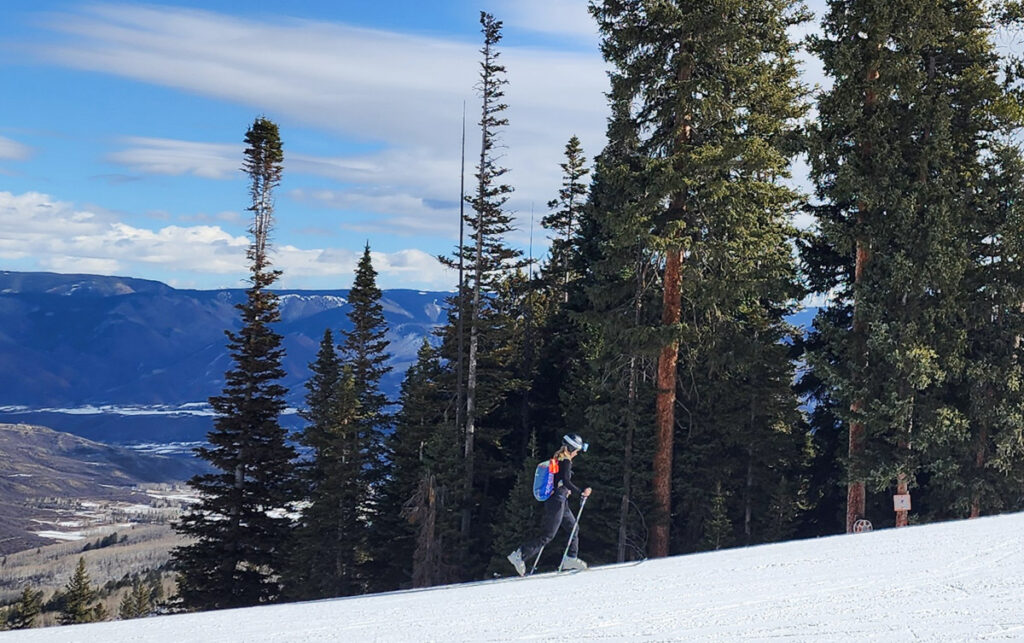
Uphilling Also known as alpine touring or “skinning,” referring to the skins (formerly animal skins in years past, now fabric) that stick to the bottoms of the touring skis and allow the user to get traction going uphill, nordic-style. Once at the top, you catch your breath, remove the skins, adjust the bindings to lock down like a conventional downhill ski, put on the coat that you were carrying, and ski down. There is a big community for this in the Roaring Fork Valley. Fun fact: AVSC has a Ski Mountaineering program (which includes uphilling), preparing young athletes to compete at an international level.
Mud Season Even if you don’t ski or snowboard, this is meaningful. Many trails and dirt roads become impassible in spring due to snowmelt and still-frozen ground. Tourism drops off so much after Easter that some restaurants, stores, and hotels close completely for weeks. Those that do stay open in the shoulder seasons offer some great deals, covered below in this article.
The Intercept Lot is an alternative name for the Brush Creek Park and Ride lot at the intersection of Brush Creek Road and Highway 82. It’s where many people park and then bus for free into Aspen or Snowmass. It’s also sometimes a meeting point for locals who are carpooling, or for special events that require parking.
CMC is Colorado Mountain College. CMC is based in Glenwood Springs with locations in Carbondale, Aspen, and several other places in Colorado. Besides an impressive number of degree programs and professional development education, CMC’s community education classes are a great way to meet people. From swing dancing and wine tasting to hunter safety or learning guitar, they offer something for everyone.
Housing in the Roaring Fork Valley
As with many desirable places in the U.S., housing is expensive in the RFV. There is only so much land for real estate in a mountain valley, and some is still ranchland. It’s no secret that billionaires’ demand for homes in Aspen have pushed out many residents into other communities here.
I have observed that a lot of schoolteachers and ski professionals live in Glenwood Springs, and a lot of tradespeople live in Rifle and Silt and make the long commute to Aspen and Snowmass every day. Joining the resort traffic at 8:00 a.m. and 4:00 p.m. are lines of work trucks.
Workforce Housing
If you’re looking at listings and some seem drastically more affordable than others, it’s probably deed-restricted workforce housing. The qualifications for these differ by community. See APCHA for Aspen/Pitkin County, Basalt Affordable Community Housing (BACH), and the Garfield County Housing Authority, which covers Glenwood Springs and most of Carbondale.
These authorities require the unit being purchased or rented to be the occupant’s primary residence, so these benefits may apply to you if you’re looking at a permanent move to the Roaring Fork Valley, not a mid-term stay. If this is a permanent move for you, check their web sites or work with a realtor to make that eligibility determination. Income is relative, and the cost of living is 20-30% above average in the Valley. If you’re going to be working for a local employer, even on salary, you may qualify. Some of the larger employers, like Ski Co and the hospitals, also offer housing options for their staff.
Mid-term Rentals
For a mid-term, Life From Anywhere stay, as of this writing, Furnished Finder has 10 furnished monthly rentals in Basalt, and five listings between Snowmass Village and Aspen. For a lot of people, an extended stay in Aspen may be out of reach. It’s not unusual for an apartment with 2 bedrooms in Aspen to rent for $15,000 per month. Homes with yards are anywhere from $20,000 to $100,000 per month. (There’s more room to negotiate in the shoulder seasons.) In Carbondale and Glenwood Springs, there are 41 listings, though many are 1 or 2 bedrooms. If the thought of putting your family in 2 bedrooms is scary, maybe it could be the life-changing experience you’ll love. We lived as a family of four in a 450 square foot RV for six months, and it was the best time of our lives. The Mountain West is an incredible place, and some sacrifices may be worth it.
Altitude in the Roaring Fork Valley
- Glenwood Springs 5,700 feet
- Basalt 6,600 feet
- Snowmass Village 8,300 feet
- Aspen 7,900 feet
- Independence Pass 12,095 feet
This is another topic that Rocky Mountain natives just seem to understand, but for the rest of us… preparing for and living at this elevation deserves consideration. At 8,000 feet, oxygen availability is roughly 25% lower than at sea level. Your body works harder to do the same things. Hydration matters more. Alcohol hits harder. Recovery from workouts takes longer. UV exposure increases. Even at 6,000 feet (midvalley in the Roaring Fork), oxygen availability is 15-18% lower than at sea level. The effects are subtler, but still there.
For mid-term stays, to avoid altitude sickness, plan the first 3 days or so intentionally:
- Keep exercise light.
- Drink more water than you think you need.
- Limit alcohol.
- Expect disrupted sleep.
If you travel to lower altitudes for more than a couple days, you’re probably going to be re-acclimating upon returning to the Valley. You do get used to the process. If you like to work out while you’re away, you’re going to feel pretty amazing with all those extra red blood cells!
Fun story: when we made our temporary move from Northern Michigan to Snowmass Village, we brought an electric kettle that we use daily for making coffee. I plugged it in and set it to the usual temperature and walked away. I came back a couple minutes later to my kettle boiling like crazy, the lid rattling off. Realizing what was happening, I Googled what the boiling point of water is at 8,000 feet and reset the kettle to a lower temp.
Roaring Fork Transportation Authority (RFTA) Bus System and Other Transit
The public bus system in the Roaring Fork Valley is outstanding. While the downvalley communities lean more car-oriented, in Aspen and Snowmass Village, the bus can be easier, faster, and less stressful that trying to find parking, even if you have a car to drive. Recognizing that there is only one highway to get to and from most places, the region prioritized bussing to the extent that the buses get their own lane on the highway. The routes within and between Snowmass Village and Aspen are completely free (ostensibly to keep tourists from renting cars and driving). Just show up and hop on.
Visit RFTA’s site or use Google Maps for the most up-to-date route info. Here are some quick tips that can make your first trips easier.
“UV” stops are for buses headed up the valley toward Aspen. Stops labeled “DV,” conversely, are for buses in the direction of Glenwood Springs. Don’t make the beginner mistake of being on the wrong side of the road for your destination. There are tunnels that run under the highway.
Paying for Longer RFTA Rides
For routes that do have a fee, there is a farebox that accepts cash, but requires exact change. You probably don’t want to be the person holding everyone up because the feeder won’t accept your dollar bill. Instead, RFTA has an app, and tickets sold that way get 25% off. Have your pre-purchased ticket up on the screen when you board the bus. Hold it to the scanner, similar to electronic boarding passes for airlines. If you don’t trust your phone or just prefer a printed ticket, the larger bus stations at Park and Ride lots and transit centers have ticket vending machines.
Children 5 and under are free. Pets are allowed if they fit in a carrier and stay on the floor. There are racks for bikes between April and November, and holders for skis and snowobards outside the buses during ski season.
In-Town Transportation
Ride Glenwood Springs, a local service of RFTA, is free year-round within Glenwood Springs. Residents and visitors can get from neighborhoods and the park and ride lot to downtown and other shopping, places of work and local attractions. They’ve added an on-demand service as well for doorside pickup and drop-off for $1.00, though this is a pilot program.
Snowmass Village has its own community bus system, the Village Shuttle, which is also free. If you are living in Snowmass Village, but not near a bus stop, Village Shuttle will pick you up on-demand from your door as early as 6:45 a.m. up until midnight. Either way, the shuttles make it very simple for runs to the market, rec center, or going out at night. Dogs are allowed on Snowmass Village Shuttles as long as they are on a leash.
In Aspen, in addition to frequent RFTA buses, The Downtowner cars will provide free door-to-door service. You’ll see the electric cars around town labeled “Complimentary Ride Service.” Unlike buses, the Downtowner car drivers appreciate tips, which can be cash or handled through the same app used for booking a ride (similar to how Uber works).
The same on-demand ride service, booked through the same app, is available to people in Basalt and Carbondale traveling within each town. This includes traveling between downtown Basalt and Willits. Check the web site for current hours and availability.
You don’t need a car for every driver in your family if you live in town in these communities, and many rental properties won’t give you that many parking spaces anyway. (We sold one of our vehicles and shared.)
Aspen Highlands is a very special place, but a little trickier to get to, so we created a guide for getting to and from Aspen Highlands.
Biking and Bikesharing
Biking is a popular means of getting around and getting exercise in the Roaring Fork Valley outside of the winter months. E-bikes are very popular. The region has a lot of hills, and while an uphill climb can make a great workout, sometimes you need to get from point A to point B faster and not drenched in sweat. For people who don’t have their own, we-cycle serves Aspen, Snowmass Village, Basalt, El Jebel, and Carbondale. The bikes charge at docking stations that look like bike racks located all over town. When someone has a quick trip to make, they check out a bike through the app, which unlocks it from the rack, ride to their destination, and leave it at the rack there. Any ride under 30 minutes is free.
Flying in and out of the Roaring Fork Valley
Aspen/Pitkin County airport (ASE) is conveniently located, has its own RFTA stop, and has a number of direct flights to major airports. But it has one runway and sits in a narrow valley. Flights into and out of Aspen can’t always be counted upon. I was on a flight that was on approach and changed course, climbing at what felt like the last second. Area residents sitting near me weren’t surprised. With the airport at the same altitude as the clouds are at times, flights can get diverted and travelers have to plan for contingencies. Wind can also be a factor, in any season.
We met a pilot in conversation at a local bar who said Grand Junction or even Eagle County airport can be more reliable. Both are lower in elevation and have wider skies. Though with Eagle, I-70 in Glenwood Canyon sometimes closes due to weather, preventing you from getting back to the Valley. Living in the mountains sometimes requires patience and flexibility. If you have that, you can be rewarded with breathtaking views flying in and out of Aspen.
Discounts and Deals for Locals (Even Temporary Locals)
- Off-season (spring and late fall) restaurant discounts get posted at eatAspen.com and eatSnowmass.com. It’s an opportunity to try some fine dining at as much as 50% off.
- Locals queue up at little-publicized events in early winter for “The Sticker.” Aspen Snowmass generously offers the Community Sticker for a small donation to a local foundation. It gets you $5 lunch options and $4 beers at several of the eateries on the four mountains, and $15 pizzas fresh out of the stone ovens at the Limelight hotels. Watch the listings from Aspen Snowmass for their opening parties. It was there in the fine print.
- Locals Clinics offered by Aspen Snowmass are group lessons at a fraction of the cost. Groups form from beginner to advanced, bumps and steeps, and even uphilling lessons. If it’s a goal of yours to become a better skier or snowboarder, it’s hard to beat the Roaring Fork Valley.
- Residents of Glenwood Springs and nearby towns seem to love their Sunlight Mountain in the winter. With a 2,010 foot vertical drop and 77 runs, it’s a legitimate, no-frills ski area, and lift tickets and passes are less expensive than Aspen Snowmass. Parking is free.
- River Valley Ranch, a golf course in Carbondale, opens up a great hill for sledding to the public in the winter. Free family fun.
- The White River National Forest is huge and does not require passes or fees at most of its sites. All you need are sturdy shoes and basic supplies (water, sunscreen, warm clothing, offline maps) in a pack.
- There are free outdoor concerts all summer long throughout the Valley. Google any of the following for times and locations: Music Under the Bridge in Glenwood Springs, Mt. Sopris Music Festival, Redstone Magical Moments Summer Concert Series, Basalt Summer Concert Series, Snowmass Free Summer Concert Series, and Aspen Music Festival Orchestral Concerts.
Wildlife in the Roaring Fork Valley
Living here means being aware of wildlife. When driving, it is not unusual to see herds of elk and deer along and crossing Highway 82. You have to be cautious, especially at night. While visiting the area in March, 2025, we came around a bend on the highway between Basalt and Snowmass to a young elk that had been separated from its herd. It was running, panicked, back and forth along the road. A more serene setting is pulling along Owl Creek Road on an autumn evening and hearing the bull elk bugling. It’s quite an experience.
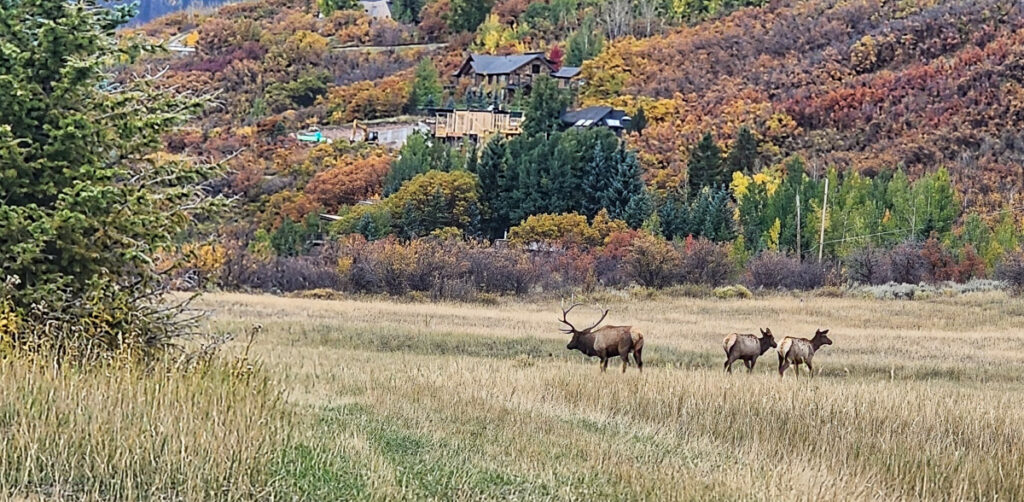
Bears are active in the Valley from April until November or early December. While there are not grizzly bears in Colorado, protections exist for the sake of the black bears that are here. You’ll find trash bins with bear-proof closures pretty much everywhere. Access to human food brings bears into areas they shouldn’t be. There are tons of stories of bears getting into houses, cars, and offices where there was food stored and doors weren’t locked. Beware of sliding glass doors!
Moose are common in the lower-lying wetlands near Aspen. At least once a season, someone shares a photo of a mountain lion lounging on their front porch. They’re also occasionally spotted on the hillside east of Basalt in people’s backyards. Gray wolves are being reintroduced in Colorado and are believed to be in the Roaring Fork Valley.
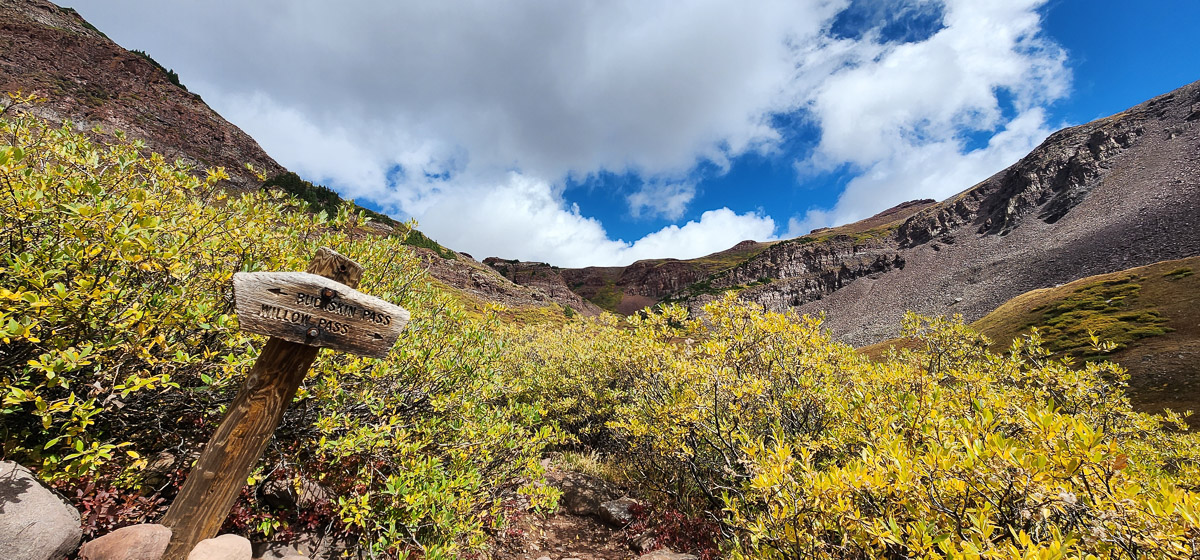
It is worth getting a reservation to hike Maroon Bells in the summer or fall just to catch the adorable pikas and their “eep” squeaking. We found a colony of them just below Willow Pass, though they can also be spotted on the rocky sections of the main trail near Maroon Lake.
There is at least one herd of bighorn sheep living in the cliffs of Glenwood Springs. (The Hotel Colorado has a great story about a ram ramming their glass door at the sight of his reflection.) Bald eagles and hawks are also commonly seen along the rivers throughout the area.
Side Trips from the Roaring Fork Valley
As always, we don’t want to give everything away. Making your own discoveries is part of the magic of living someplace new, even if it’s just for a while. Below are just a couple suggestions.
The Crystal River Valley south of Carbondale is stunning. It’s close by for a short day trip, though we really enjoyed camping for a weekend in Redstone. The mornings are so peaceful. I remember being on a phone call with my mom, sitting along the riverside all to myself, marveling at the rugged peaks and tree-covered mountainsides and saying “why do people travel so far to places like Alaska, when they can just come here?” I know that’s an overstatement. But if you come to Colorado and never make it to the Western Slope, my goodness, you’re missing out on a lot.
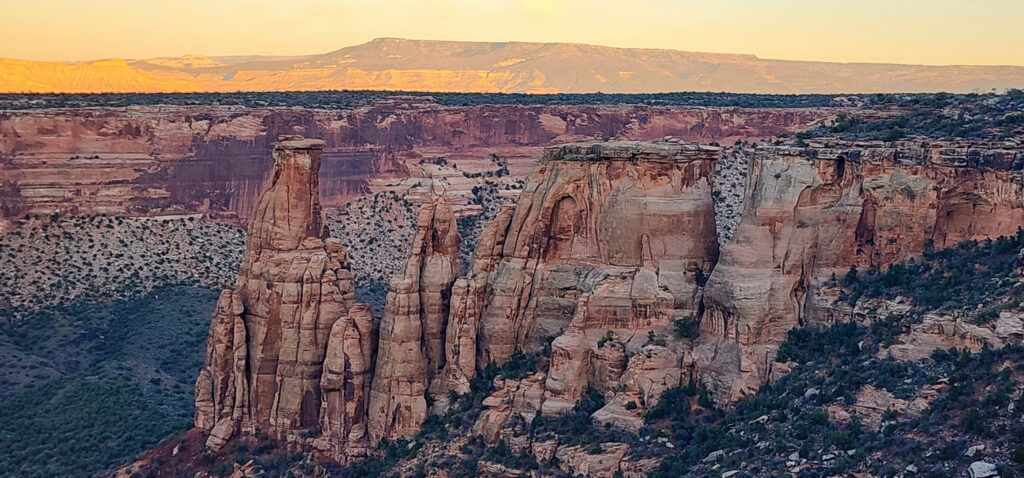
The Grand Valley, near the Utah border, gives you a taste of Utah landscape—arches, book cliffs, plateaus, canyons, and hoodoos—with fewer tourists and lower prices than Moab. You can actually stay in Fruita, which is itself pretty cute, and visit places like Arches National Park within a 90-minute drive. But you don’t have to go to Utah for this to be a memorable trip. The Colorado National Monument near Grand Junction, featured in 2025 by National Geographic, is one of those places that would be far more widely known and appreciated if it got the designation of a National Park. It’s an impressive place and worth a visit.
Other Tips for the Roaring Fork Valley
Cripple Creek Backcountry, located in Carbondale and Aspen Highlands, is a go-to source for uphilling/ski touring equipment and will rent setups if you want to try it before buying. Ute Mountaineer in Aspen does as well. If a new set is not in your budget, locals often sell theirs.
There is a Roaring Fork Swap Facebook group where people list sports equipment and everything else, from concert tickets to furniture. Stuff gets posted there that doesn’t get listed on Facebook Marketplace. As you might imagine, some people in the area sell nice things. There are a few very good consignment stores selling quality clothing, furniture and home decor in the Valley as well.
Trivia answer
Seven of Colorado’s 58 “Fourteener” peaks are in the Roaring Fork Valley. They’re clustered near Aspen and Snowmass Village. Listed in order of height:
- Castle Peak – 14,265 feet (visible from the top of the Silver Queen gondola year-round)
- Maroon Peak – 14,156 feet
- Capitol Peak – 14,130 feet
- Snowmass Mountain – 14,092 feet
- Conundrum Peak – 14,060 feet
- Pyramid Peak – 14,018 feet
- North Maroon Peak – 14,014 feet
If visiting the biggest peaks is on your bucket list, the tallest in the Rocky Mountains, Mt. Elbert (14,440 feet), is also nearby, between Aspen and Leadville.
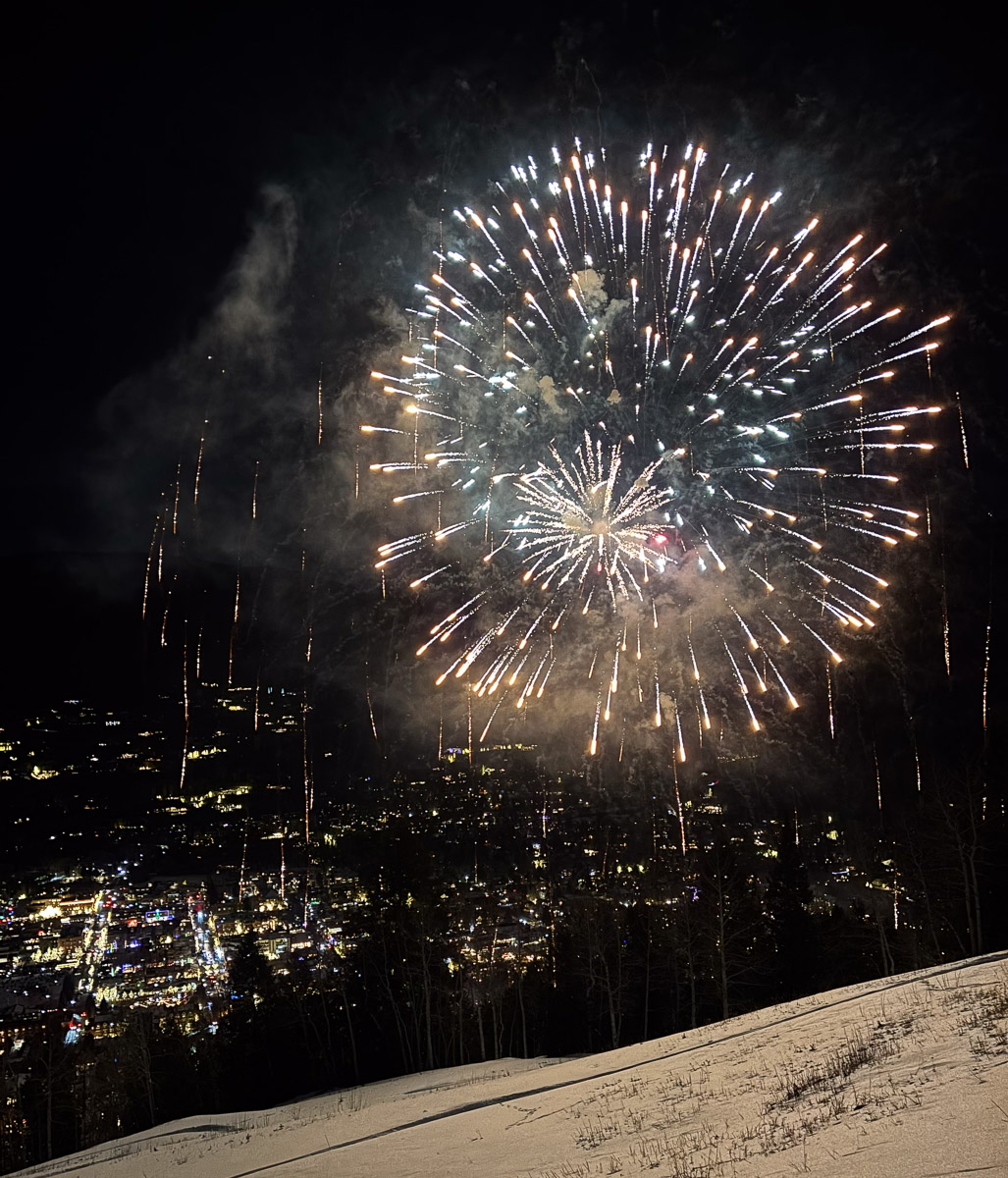
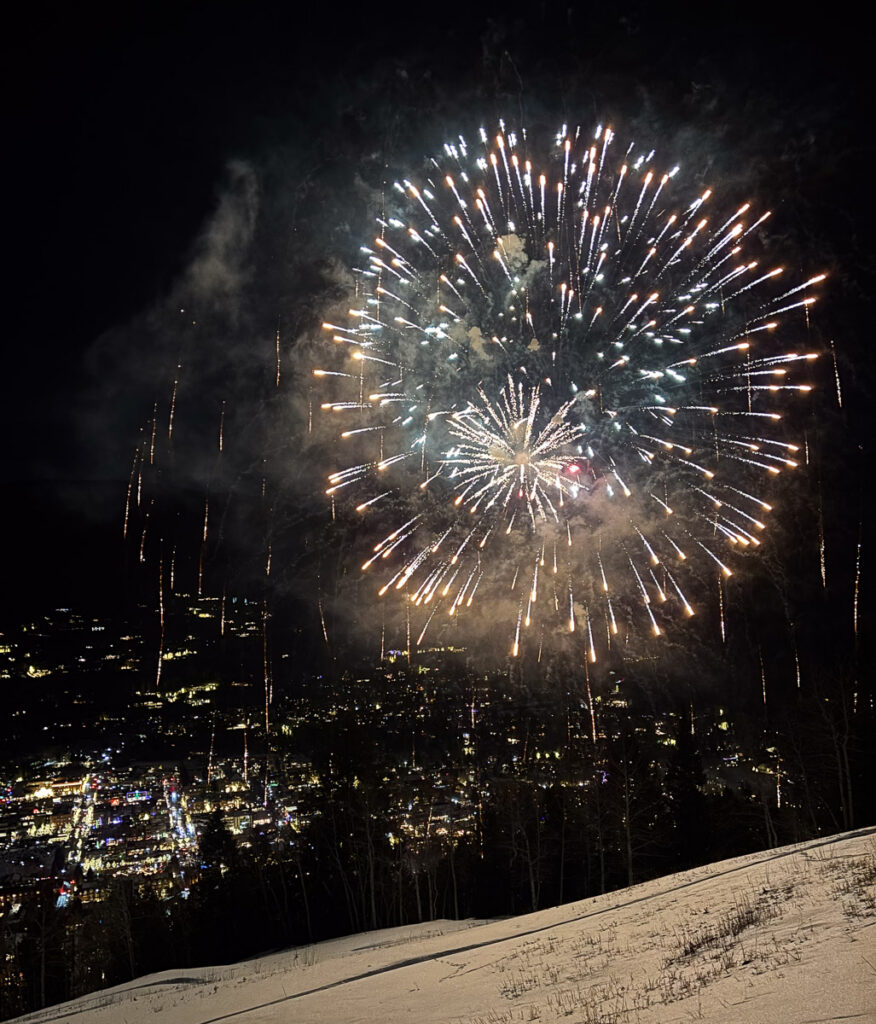 A group skinned up Ajax to capture this view on New Year’s Eve, 2025. Author’s family photo.
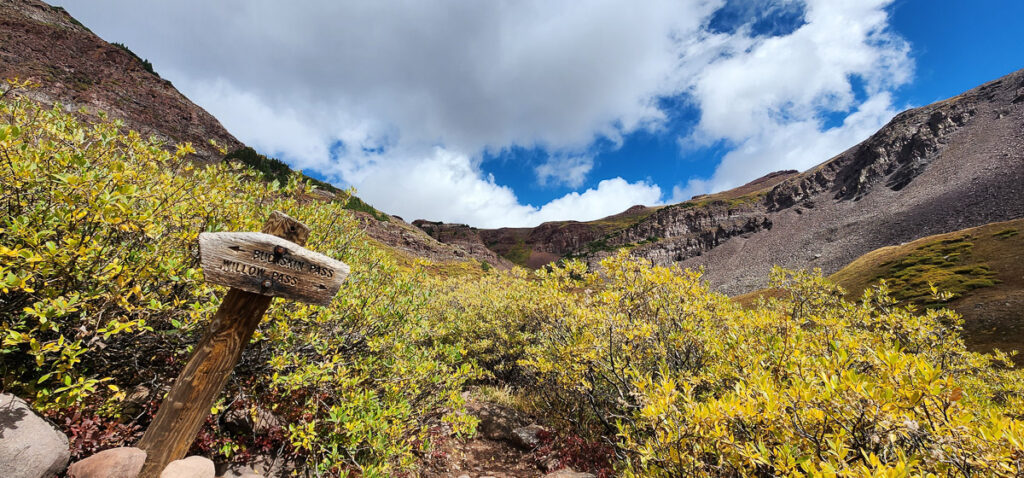 Day hike to Crested Butte, or just explore the Maroon Bells–Snowmass Wilderness. Author’s photo, September 2025.
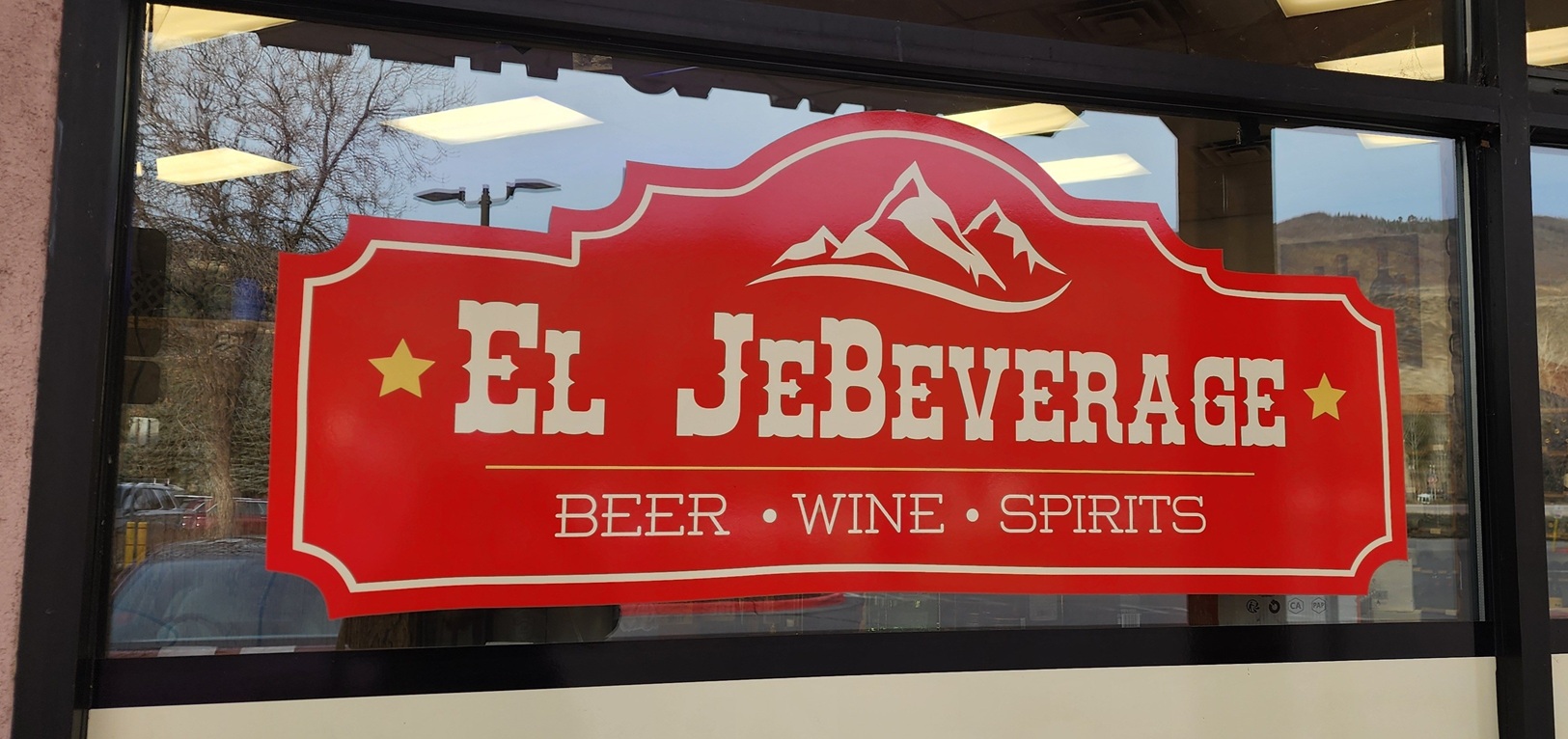
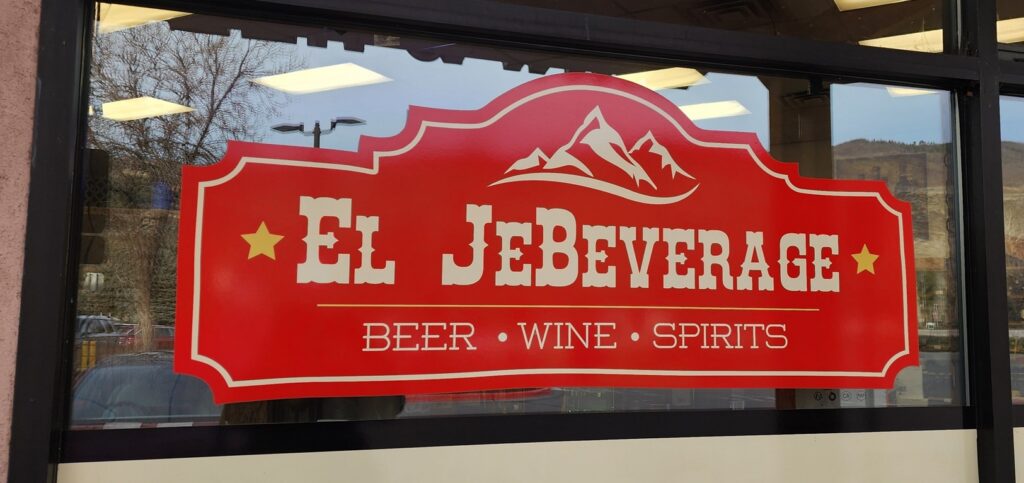 Love a community with a sense of humor. This is in El Jebel. Author’s photo, February 2026.